Aging in Place Home Modifications: Stay Safe and Independent Longer
The concept of aging in place has gained significant momentum in recent years, and for good reason. According to AARP surveys, nearly 90% of adults over 65 want to remain in their current homes as they age. For Denver homeowners approaching retirement or planning for family members who wish to stay independent, home modifications can make the difference between safely staying in a beloved home and being forced to relocate to assisted living facilities or nursing homes.
Aging in place modifications go far beyond simply adding grab bars in the bathroom. Thoughtful home design considers mobility, vision changes, cognitive needs, and the potential for future medical equipment or caregiver access. The best modifications improve safety and accessibility while maintaining the home's aesthetic appeal and resale value. Whether you're planning ahead for yourself, helping aging parents, or creating a multigenerational living situation, understanding these modifications helps you make informed decisions about your home's future.
1. Bathroom Modifications: The Highest Priority
Bathrooms present the greatest risk for falls and injuries among older adults, making them the most important room to address in any aging in place renovation. The combination of hard surfaces, water, steam, and activities requiring balance creates a perfect storm of hazards. Fortunately, modern bathroom design offers solutions that dramatically improve safety without sacrificing style.
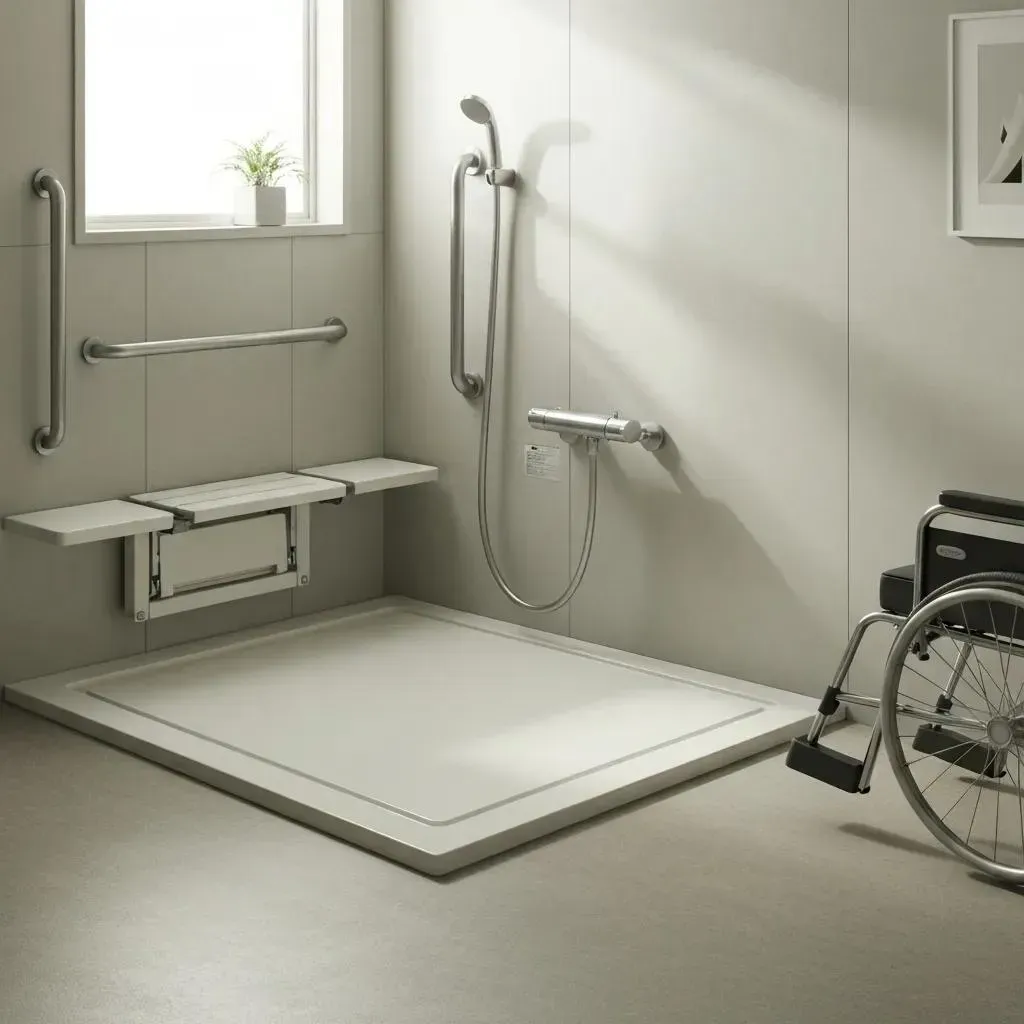
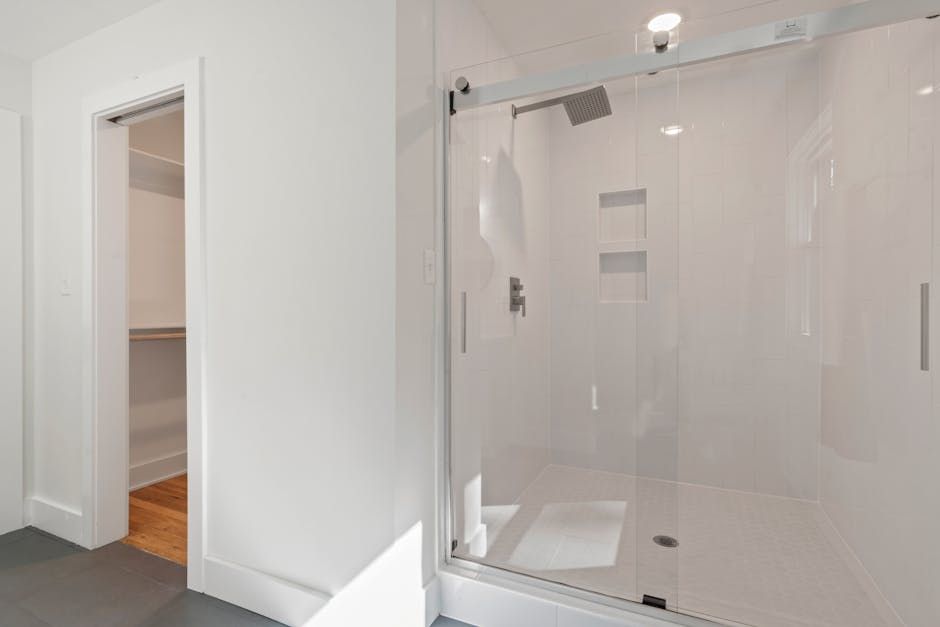
Walk-in showers with zero-threshold entries eliminate the need to step over tub walls or shower curbs, one of the leading causes of bathroom falls. These curbless designs allow easy entry whether walking, using a walker, or eventually using a wheelchair. The key is proper drainage design that slopes the floor toward the drain while maintaining waterproofing throughout the shower area. When designed well, these showers look contemporary and sophisticated rather than institutional.
Grab bars have evolved far beyond the chrome hospital-style rails of decades past. Modern grab bars come in decorative finishes, towel bar styles, and integrated shelf designs that blend seamlessly with bathroom decor. The critical factor is proper installation into blocking behind the walls rather than just drywall, which cannot support the weight of someone falling or pulling themselves up. Planning for grab bar blocking during any bathroom renovation saves significant cost compared to retrofitting later.
Comfort height toilets, sometimes called ADA height or right height toilets, position the seat at 17-19 inches rather than the standard 15 inches. This modest increase makes a significant difference for people with hip problems, knee issues, or reduced leg strength. Wall-mounted toilets allow for adjustable heights and easier floor cleaning, though they require in-wall carriers that add installation complexity and cost.
Lighting in bathrooms should be abundant and well-distributed, eliminating shadows that can obscure hazards. Night lights along the path from bedroom to bathroom prevent fumbling in the dark. Motion-activated lighting in the bathroom itself means no searching for switches while groggy. Consider illuminated light switches for additional visibility.
2. Kitchen Accessibility Upgrades
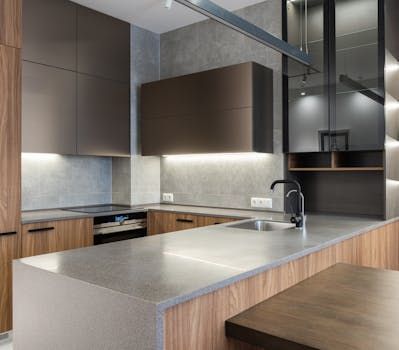
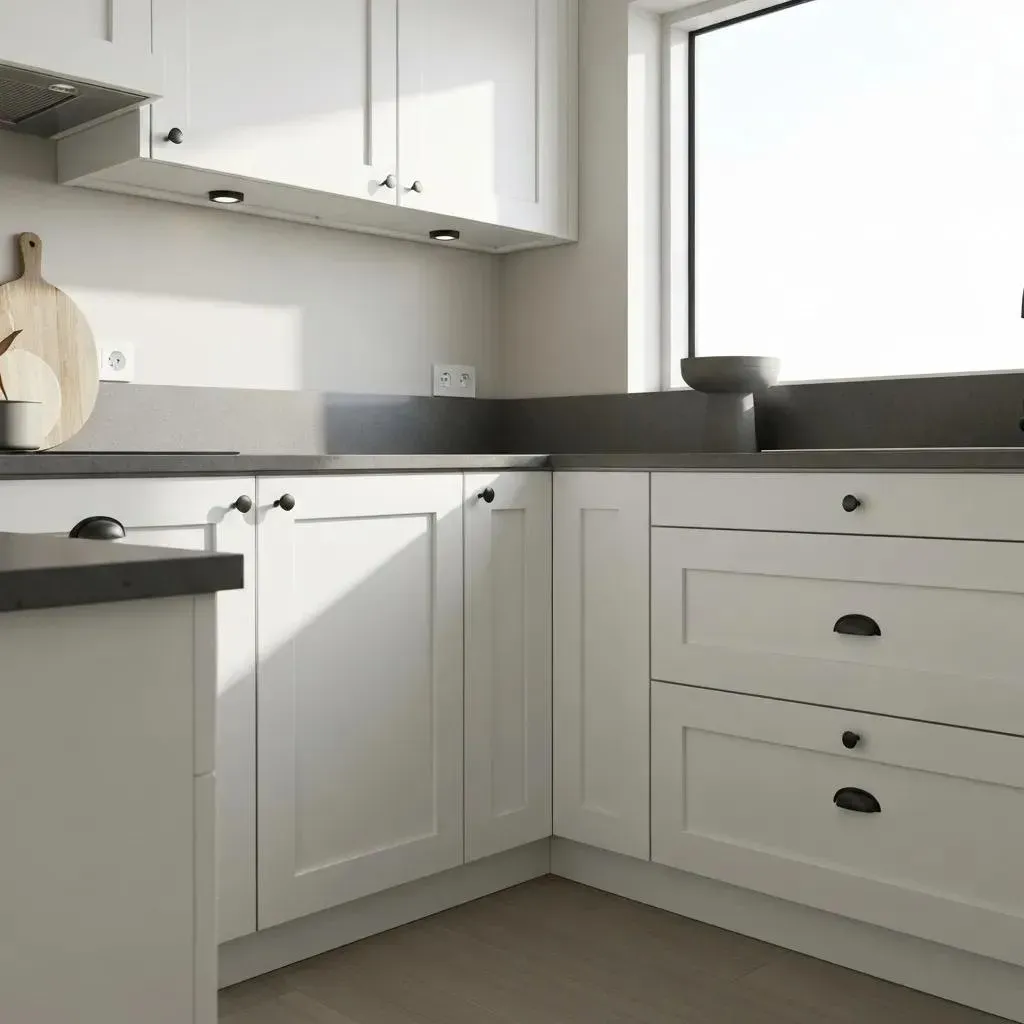
Kitchens require modifications addressing both safety concerns and practical accessibility for daily meal preparation. The goal is maintaining independence in cooking and kitchen tasks while minimizing risks from heat, sharp objects, and difficult-to-reach storage. Many kitchen modifications also benefit family members of all ages and abilities.
Lowered or varied-height countertops accommodate wheelchair users and provide comfortable workspaces for seated tasks. A section of counter at 30-34 inches rather than the standard 36 inches allows for seated food prep and can double as an informal eating area. Pull-out work surfaces can provide temporary lowered workspace without permanently modifying cabinetry throughout the kitchen.
Cabinet accessibility improvements include pull-out shelves that bring items to the front rather than requiring reaching into deep cabinets, lazy susans in corner cabinets, and pull-down shelving systems that lower upper cabinet contents to reachable levels. Drawer storage for pots, pans, and dishes often works better than lower cabinet storage requiring bending and searching. Full-extension drawer slides ensure contents are fully visible and accessible.
Appliance selection matters significantly for aging in place kitchens. Side-opening oven doors or wall ovens eliminate bending over hot oven doors. Induction cooktops provide instant heat control without open flames and stay cooler to the touch, reducing burn risks. Refrigerators with bottom freezers keep frequently accessed items at convenient heights. Consider touchless or lever-style faucets that don't require grip strength or fine motor control.
Anti-fatigue flooring or mats reduce strain from standing during meal preparation. Cork and certain vinyl products offer comfortable standing surfaces while remaining easy to clean and maintain. Avoid thick rugs or floor mats that can create tripping hazards.
3. Bedroom and Living Space Considerations
Bedroom modifications focus on ease of movement, comfortable sleeping, and quick access to bathrooms during nighttime hours. Living spaces need clear pathways, appropriate furniture heights, and good lighting throughout. These changes often improve comfort for everyone in the household while specifically addressing aging-related needs.
Main-floor bedroom access becomes crucial when stairs become difficult or impossible. If your home currently lacks a main-floor bedroom, converting a dining room, home office, or other main-level room may be necessary. Alternatively, installing a residential elevator or stair lift can maintain access to upper-floor bedrooms, though these options add significant cost.
Bed height matters more than many people realize. Beds that are too high require climbing up, while beds too low make standing difficult. The ideal height allows sitting with feet flat on the floor and thighs parallel to the ground. Adjustable bed frames, while an investment, allow fine-tuning of position for sleep comfort and easier entry and exit.
Closet accessibility modifications include lowered hanging rods, pull-down closet rod systems, and drawers or pull-out baskets for frequently used items. Walk-in closets with adequate lighting and clear pathways work better than reach-in closets requiring stretching or stepping on stools. Motion-activated closet lighting prevents fumbling for switches.
Furniture arrangement throughout living spaces should allow for walker or wheelchair navigation with minimum 36-inch clear pathways. Furniture with sturdy arms assists with sitting and standing. Avoid glass-top coffee tables and other furniture with sharp edges at fall height. Recliners with power lift mechanisms help those who struggle rising from seated positions.
4. Lighting and Electrical Modifications
Vision changes with age require significantly more light for safe navigation and daily tasks. The average 60-year-old needs three times as much light as a 20-year-old to see equally well. Beyond quantity, lighting quality, placement, and controls all factor into creating safe, comfortable environments for aging in place.
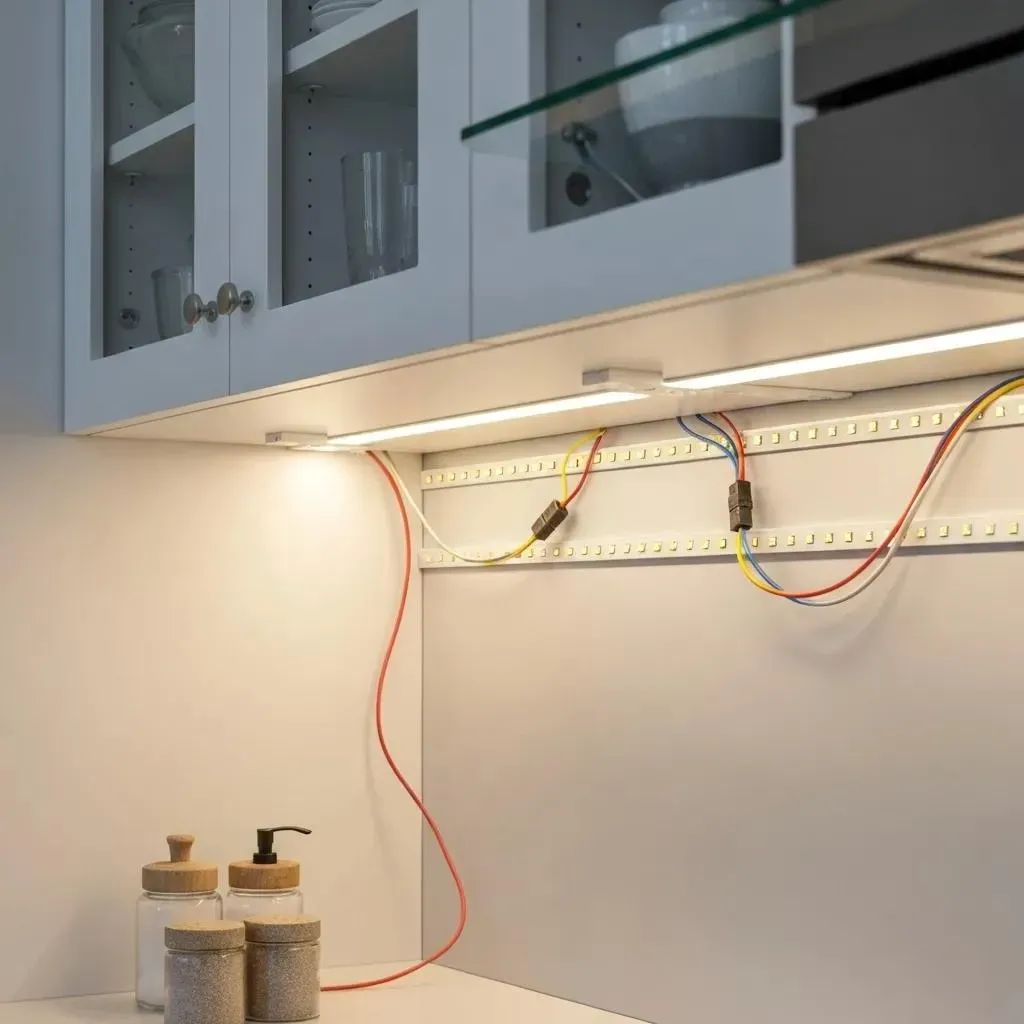
Layer lighting throughout the home with ambient, task, and accent lighting working together. Eliminate dark spots in hallways, stairways, and transitions between rooms where falls commonly occur. Under-cabinet lighting in kitchens and bathrooms illuminates work surfaces without creating shadows. Night lights in bathrooms, hallways, and bedrooms prevent nighttime navigation hazards.
Light switches should be easily accessible, with rocker switches or touch-activated panels replacing small toggle switches. Illuminated switch plates help locate controls in dark rooms. Consider whole-home lighting control systems that allow voice activation or smartphone control, eliminating the need to physically access every switch.
Electrical outlet placement deserves attention during any renovation. Standard outlet height of 12 inches above the floor requires bending to access. Raising outlets to 18-24 inches makes plugging and unplugging devices much easier. USB outlets in convenient locations reduce the need for adapters and extension cords.
Smart home technology offers significant benefits for aging in place. Voice-controlled lighting, thermostats, and door locks reduce physical demands. Video doorbells allow seeing visitors without approaching the door. Medical alert systems, fall detection devices, and remote monitoring systems provide peace of mind for both residents and family members.
5. Doorways, Hallways, and Navigation
Moving through the home safely requires adequate space, appropriate flooring, and clear pathways. Standard doorways and hallways often present challenges for those using mobility aids or experiencing balance issues. Modifications addressing navigation improve daily function and ensure the home remains accessible as mobility needs change.
Standard interior doorways measure 28-30 inches, too narrow for comfortable wheelchair or walker passage. Widening doorways to 32-36 inches provides adequate clearance. Offset hinges or swing-clear hinges can add 2 inches of effective width without reframing, a cost-effective alternative to full door widening when every inch counts.
Door hardware should include lever handles rather than round knobs, which require grip strength and wrist rotation. Lever handles can be operated with a closed fist, elbow, or minimal hand pressure. Pocket doors or barn-style sliding doors eliminate the swing clearance required by standard doors, opening up tight spaces and making doorways more accessible.
Flooring transitions between rooms should be flush whenever possible. Raised thresholds, while sometimes necessary for moisture control, create tripping hazards. Low-pile carpeting or smooth hard surfaces provide the easiest navigation for wheels and shuffling gaits. Area rugs should be secured or eliminated entirely to prevent slipping and catching.
Hallway width of at least 42 inches allows comfortable passage with mobility aids. Handrails on at least one side provide stability and orientation, particularly valuable for those with vision impairment. Contrasting colors at floor transitions, stair edges, and door frames help those with reduced vision distinguish level changes.
6. Stairways: Modify or Eliminate?
Stairs present ongoing challenges for aging in place and deserve careful consideration in any accessibility planning. Options range from modifications making stairs safer to solutions eliminating the need to use stairs entirely. The right approach depends on current abilities, anticipated future needs, home layout, and budget.
Stair modifications for those who can still safely navigate stairs include sturdy handrails on both sides, adequate lighting at top, bottom, and throughout, non-slip treads or carpeting, and contrasting color strips at tread edges. Shallow steps with deep treads are easier to navigate than steep, narrow stairs. Any stair renovation should consider these factors for improved safety.
Stair lifts provide powered transportation up and down stairs while remaining seated. Modern units fold flat against the wall when not in use and accommodate curved or multi-flight staircases. Costs range from $3,000 for straight stair units to $10,000 or more for custom curved installations. Battery backup ensures operation during power outages.
Residential elevators represent the gold standard for multi-story accessibility but involve significant cost and space requirements. Traditional hydraulic elevators require a machine room and pit excavation. Pneumatic vacuum elevators and through-floor lifts offer alternatives requiring less structural modification. Expect costs of $20,000 to $50,000 or more depending on type and installation complexity.
For many homes, the most practical approach is converting main-floor space to include everything needed for daily living, treating upper floors as occasional-use space for guests or storage. This maintains home value while creating a functional single-level living environment within an existing multi-story home.
7. Planning and Financing Your Aging in Place Renovation
The best time to make aging in place modifications is before they become urgent necessities. Planning ahead allows for thoughtful design integration, cost spreading over time, and modifications completed without the pressure of immediate need. Many homeowners incorporate accessibility features into broader renovation projects, spreading costs while improving both function and aesthetics.
Start by assessing your home's current accessibility and identifying priorities. A Certified Aging in Place Specialist (CAPS) can provide professional evaluation and recommendations. Occupational therapists can assess individual needs and suggest modifications based on specific conditions or limitations. These professionals often identify concerns homeowners overlook.
Financing options for aging in place renovations include home equity loans or lines of credit, FHA 203(k) rehabilitation loans, and Fannie Mae HomeStyle renovation mortgages. Some state and local programs offer grants or low-interest loans specifically for accessibility modifications. Veterans may qualify for Specially Adapted Housing grants or Home Improvement and Structural Alteration grants through the VA.
Medicare does not typically cover home modifications, though it may cover some durable medical equipment. Medicaid home and community-based services waivers sometimes include home modification funding for eligible recipients. Long-term care insurance policies may cover modifications that prevent the need for institutional care. Always explore all available funding sources before assuming renovation costs must come entirely from personal funds.
At Accountable Home Remodeling, we approach aging in place projects with both technical expertise and genuine care for our clients' long-term wellbeing. We understand that these modifications represent more than construction projects. They represent independence, dignity, and the ability to remain in homes filled with memories. Our team works with homeowners and their families to create solutions that address current needs while anticipating future requirements. Whether you're planning ahead or responding to immediate needs, we're here to help you stay safely in the home you love.