Basement Finishing in Denver: Transform Unused Space into Living Area
That unfinished basement sitting beneath your Denver home represents more than just storage space for holiday decorations and old exercise equipment. It's potentially hundreds of square feet of livable area waiting to be transformed into something useful, comfortable, and valuable. Whether you're dreaming of a home theater, guest suite, home office, or playroom for the kids, finishing your basement is one of the smartest investments you can make as a Colorado homeowner.
Denver's unique climate and geography present both challenges and opportunities when it comes to basement finishing. The semi-arid conditions, dramatic temperature swings, and occasional moisture intrusion from snowmelt all factor into how your basement project should be approached. Understanding these local considerations from the start will save you headaches, money, and potential rework down the road. Let's explore everything you need to know about turning that dark, dusty space into a comfortable extension of your home.
1. Why Denver Basements Make Excellent Living Spaces
Colorado basements offer something that homeowners in many other states simply can't enjoy: natural temperature regulation that keeps spaces comfortable year-round. Because basements are surrounded by earth on multiple sides, they stay naturally cool during our hot summer months and retain warmth during winter. This thermal mass effect means your HVAC system works less to maintain comfortable temperatures, translating directly to lower energy bills and improved comfort.
The altitude and low humidity in the Denver metro area actually work in your favor when finishing a basement. Unlike homes in humid southeastern states where basement moisture is a constant battle, our dry climate means you're starting with a significant advantage. That said, moisture management still requires attention, particularly during spring snowmelt and monsoon season. Proper vapor barriers, drainage systems, and waterproofing measures remain essential components of any successful basement finish.
From a real estate perspective, finished basement square footage in Denver commands significant value. While it may not appraise dollar-for-dollar with above-grade living space, a well-finished basement typically returns 70-75% of the investment at resale. More importantly, it provides functional living area at a fraction of the cost of building an addition or moving to a larger home. For growing families or those working from home, that value proposition is hard to beat.
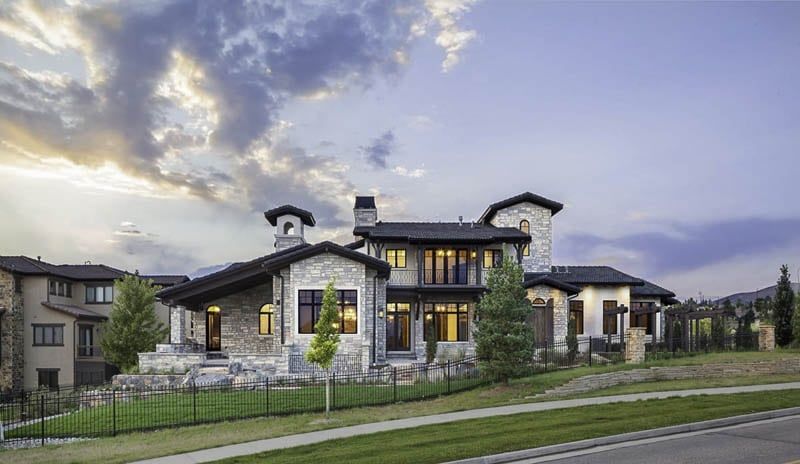
The versatility of basement space allows homeowners to create rooms that might not fit elsewhere in the home. That home gym you've always wanted, a dedicated craft room, a music studio with soundproofing, or a wine cellar taking advantage of the naturally cool temperatures are all possibilities. Many Denver families create multi-purpose spaces that serve different functions as family needs evolve over time.
2. Moisture Control: The Foundation of Every Basement Project
Before any framing goes up or drywall gets hung, moisture management must be your primary focus. Even in our dry climate, water finds its way into basements through foundation cracks, hydrostatic pressure during wet seasons, and condensation from temperature differentials. Addressing these issues before finishing ensures your investment won't be compromised by mold, mildew, or water damage down the line.
Start with a thorough inspection of your foundation walls and floor. Look for any signs of previous water intrusion including staining, efflorescence (white mineral deposits), or musty odors. Hairline cracks are common and usually not problematic, but larger cracks or areas showing active seepage need professional assessment and repair. Hydraulic cement, epoxy injections, and exterior waterproofing membranes are all options depending on the severity and source of water intrusion.
Interior drainage systems like drain tile or French drains provide an additional layer of protection by channeling water that does make it through the walls to a sump pump system. In the Denver area, a properly functioning sump pump with battery backup is essential insurance against basement flooding. The cost of installing proper drainage upfront pales in comparison to the expense of tearing out finished walls to address water problems later.
Vapor barriers play a critical role in preventing moisture from migrating through concrete into your finished space. A quality 6-mil or thicker polyethylene barrier installed on walls and floors before framing creates a moisture break that protects insulation and wall finishes. Some homeowners opt for insulated wall panels or closed-cell spray foam that provide both insulation and moisture protection in one application, though these options come at a higher initial cost.
Dehumidification should be part of your basement finishing plan regardless of how dry your space appears. Even with excellent waterproofing, basements naturally have higher humidity levels than above-grade spaces. A whole-house dehumidifier or dedicated basement unit maintaining 30-50% relative humidity protects finishes, prevents musty odors, and creates a more comfortable environment. Many homeowners connect these systems to existing HVAC ductwork for seamless operation.
3. Egress Windows: Safety, Light, and Legal Requirements
If your basement finishing plans include any bedroom space, Denver building codes require egress windows meeting specific size and accessibility requirements. These windows provide emergency escape routes in case of fire and serve as entry points for rescue personnel. Beyond code compliance, egress windows transform basement spaces by bringing in natural light and making rooms feel less cave-like.
Standard egress window requirements in Denver specify a minimum opening area of 5.7 square feet with no dimension less than 20 inches wide and 24 inches high. The window sill can't be more than 44 inches from the finished floor. For below-grade windows, a window well must provide at least 9 square feet of floor area with no dimension less than 36 inches. These requirements exist for good reason and shouldn't be shortcut.
Installing egress windows in an existing basement involves cutting through the foundation wall, which requires careful planning and typically permits. The excavation work, concrete cutting, window well installation, and proper drainage all contribute to costs ranging from $2,500 to $5,000 per window depending on soil conditions and accessibility. While not inexpensive, egress windows significantly increase the value and usability of basement bedrooms.
Window well design matters both aesthetically and functionally. Corrugated metal wells are economical but utilitarian, while tiered concrete or stone wells create more attractive outdoor features. A clear cover prevents debris and snow accumulation while still allowing light transmission. Proper drainage at the bottom of the well, either through gravel and drain tile or a dedicated sump, prevents water pooling that could eventually compromise the window seal or foundation.
4. Flooring Options That Work Below Grade
Choosing the right flooring for a basement requires understanding how different materials react to the unique below-grade environment. Moisture potential, temperature fluctuations, and concrete subfloor conditions all influence which flooring options will perform best over time. Making the right choice now prevents costly replacement and disappointment later.
Luxury vinyl plank (LVP) has become the go-to basement flooring choice for good reason. It's completely waterproof, comfortable underfoot, available in realistic wood and stone looks, and handles temperature variations without expanding or contracting significantly. Quality LVP with an attached underlayment installs easily over concrete and provides a warmer surface than tile. Most products offer excellent durability and easy maintenance, making them ideal for high-traffic basement areas.
Engineered hardwood can work in basements with proper precautions, though it's not the best choice for spaces with any moisture concerns. Unlike solid hardwood, which should never be installed below grade, engineered products have a plywood or HDF core that handles humidity better. Still, a moisture test of the concrete and proper vapor barrier installation are essential before considering engineered wood. Many Denver homeowners reserve hardwood for main living spaces and choose LVP or tile for basements.
Porcelain and ceramic tile remain excellent basement flooring options, particularly in bathrooms, laundry areas, or spaces where water exposure is likely. Large-format tiles with minimal grout lines create clean, modern looks while being virtually impervious to moisture. The main drawback is temperature, as tile feels cold underfoot without in-floor heating. Radiant heat systems pair beautifully with tile and make basement bathrooms genuinely luxurious.
Carpet provides warmth and comfort that hard surfaces can't match, but basement installation requires careful material selection. Traditional carpet padding traps moisture and can become a mold breeding ground. Synthetic carpet tiles or carpet with moisture-barrier backing designed specifically for basement use addresses these concerns while still providing the soft, warm surface many families want in basement family rooms or playrooms. These products can be removed and replaced individually if water damage ever occurs.
5. Ceiling Solutions for Different Heights and Budgets
Basement ceiling decisions often come down to balancing aesthetics, accessibility, and available headroom. Most Denver basements have ceiling heights between 7 and 9 feet before finishing, and every inch matters when creating comfortable living space. Understanding your options helps you maximize both appearance and functionality.
Drop ceilings (suspended acoustical tile) remain popular for basement applications because they provide easy access to plumbing, electrical, and HVAC components above. Modern suspended ceiling options have evolved far beyond the institutional look of decades past, with sleek panels, coffered designs, and even wood-look tiles available. The main disadvantage is height loss, typically 3-6 inches depending on the grid system and what needs to be concealed above.
Drywall ceilings provide the cleanest, most residential appearance and work well when ceiling height is generous and you don't anticipate needing frequent access to systems above. The seamless look integrates basement spaces with the rest of your home and allows for recessed lighting, crown molding, and other architectural details. However, any future plumbing repairs or HVAC modifications require cutting into the ceiling, adding cost and inconvenience.
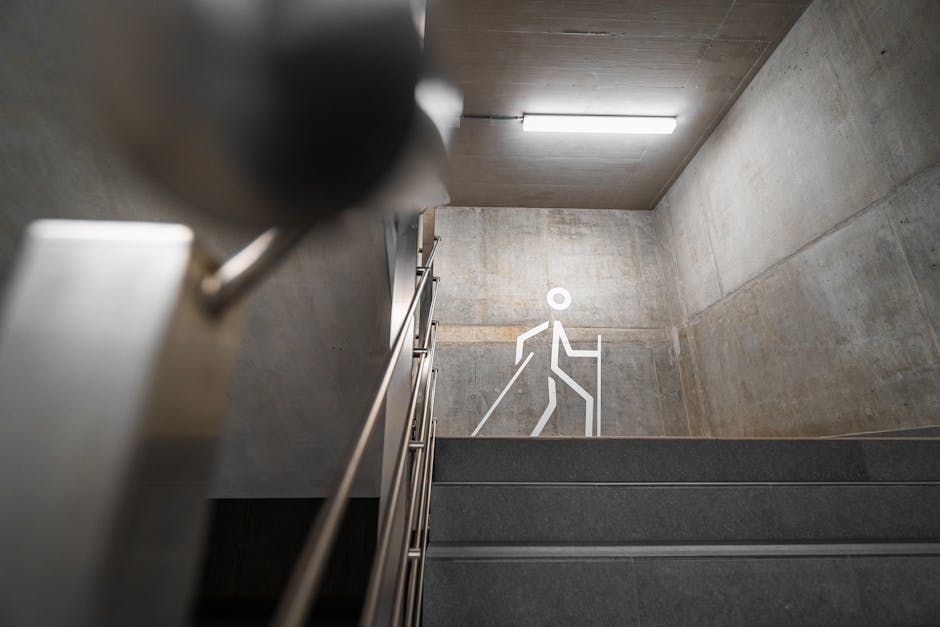
Exposed and painted ceilings have gained popularity, particularly in industrial-modern or contemporary designs. Painting all the joists, ductwork, pipes, and wires a uniform color (typically black or dark gray) creates visual cohesion while maintaining full ceiling height. This approach works best in spaces where the industrial aesthetic fits the overall design and when the mechanical systems above are reasonably organized. It's also the most budget-friendly option since it requires only paint rather than materials and installation labor.
Beadboard, shiplap, or wood plank ceilings offer a middle ground between the residential look of drywall and the accessibility of drop ceilings. These materials can be installed on furring strips attached directly to joists, minimizing height loss while creating attractive, finished surfaces. Strategic placement of access panels allows for occasional system maintenance without compromising the overall appearance.
6. Cost Expectations for Denver Basement Finishing
Basement finishing costs in the Denver metro area range significantly based on scope, finishes, and whether you're doing basic finishing or creating a true living space with bathroom, kitchenette, or other amenities. Understanding these cost factors helps you budget appropriately and make informed decisions about where to invest and where to economize.
Basic basement finishing that includes framing, electrical, HVAC extension, insulation, drywall, basic flooring, and paint typically runs $25 to $40 per square foot in the Denver market. This covers the essential work to create functional living space without high-end finishes or significant plumbing. For a 1,000 square foot basement, expect to invest $25,000 to $40,000 for a quality basic finish.
Adding a bathroom increases costs significantly due to plumbing rough-in (especially if you're breaking concrete for drain lines), fixtures, tile work, and ventilation requirements. A basic basement bathroom adds $8,000 to $15,000 to the project, while a full bathroom with shower or tub and higher-end finishes can run $15,000 to $25,000. The investment often makes sense, as basement bathrooms add significant convenience and resale value.
Premium finishes push costs to the $50 to $75+ per square foot range. This tier includes features like built-in cabinetry, custom bars, home theater systems, heated floors, high-end lighting, and designer finishes throughout. Complex projects involving structural modifications, multiple egress windows, or extensive plumbing can push into six figures for larger basements.
When budgeting, don't forget to include costs for permits, engineering if required, window well installation, dehumidification, and any exterior work like grading improvements or drain line extensions. These ancillary costs can add 10-20% to the direct construction budget. Building a contingency of at least 10% for unexpected discoveries during construction protects you from budget overruns.
7. Hiring the Right Contractor for Your Basement Project
Basement finishing requires contractors who understand the unique challenges of below-grade construction. Not every general contractor has the expertise to properly address moisture management, meet code requirements for egress and ceiling heights, and create comfortable living spaces in what was previously utility space. Choosing the right partner makes all the difference in project success.
Look for contractors with specific basement finishing experience in the Denver area. Ask to see examples of completed projects and speak with previous clients about their experiences. Did the contractor properly address moisture concerns? Were there issues with permits or inspections? How did the space hold up over time? These conversations reveal more than any marketing materials or online reviews.
Verify licensing, insurance, and bonding before signing any contract. Colorado requires general contractors to be licensed, and basement work involving electrical, plumbing, or HVAC should be performed by or supervised by appropriately licensed tradespeople. Proper insurance protects you from liability if workers are injured on your property and ensures coverage if something goes wrong with the work.
Get detailed written proposals from at least three contractors specifying exactly what's included and excluded. Vague allowances for flooring, lighting, or fixtures often lead to disappointment or budget overruns. The more specific the proposal, the more accurately you can compare bids and understand what you're getting for your investment. Beware of bids significantly lower than others, as they often indicate corners will be cut or important items aren't included.
At Accountable Home Remodeling, we bring decades of basement finishing experience to every project. Our team understands Denver's unique conditions and builds every basement to last, with proper moisture management, code-compliant design, and finishes that transform unused space into beautiful living area. We'd welcome the opportunity to discuss your basement vision and show you what's possible beneath your home. What will your basement become?