Denver Building Permits for Home Remodeling: What Every Homeowner Must Know
Starting a home remodeling project in Denver is exciting, but before you swing that first hammer, there's a critical step many homeowners overlook: building permits. Understanding Denver's permit requirements isn't just bureaucratic box-checking. It's the difference between a successful project and one that could cost you thousands in fines, forced demolition, or problems when selling your home.
The Denver Department of Community Planning and Development oversees all building permits in the city, and their requirements exist to protect homeowners, neighbors, and future occupants. Whether you're planning a kitchen renovation, adding a bathroom, or finishing your basement, knowing the permit landscape before you start saves time, money, and headaches down the road.
This comprehensive guide walks you through everything Denver homeowners need to know about building permits for remodeling projects. From understanding which projects require permits to navigating the application process, we'll help you approach your renovation with confidence and compliance.
1. Which Remodeling Projects Require Denver Permits
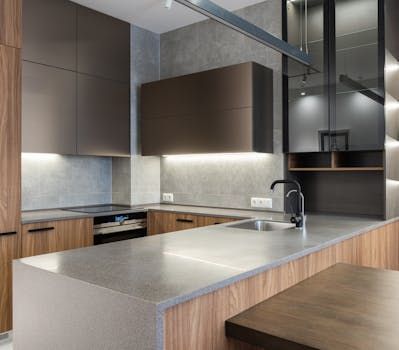
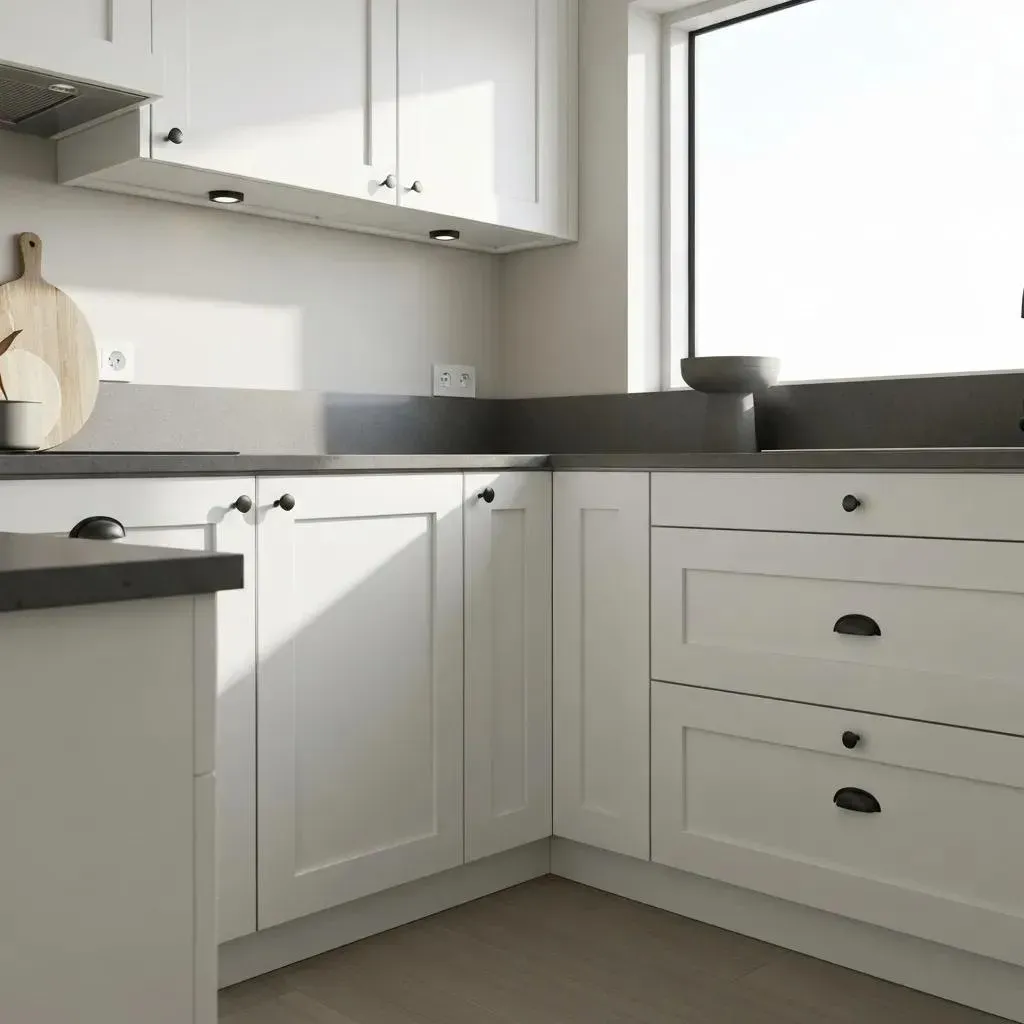
Not every home improvement project requires a permit, but more do than most homeowners realize. Denver requires permits for any work that involves structural changes, electrical systems, plumbing, mechanical systems, or alterations that affect life safety. This means your kitchen remodel almost certainly needs a permit if you're moving walls, adding outlets, or relocating plumbing. The same applies to bathroom renovations that involve new fixtures or relocated drains.
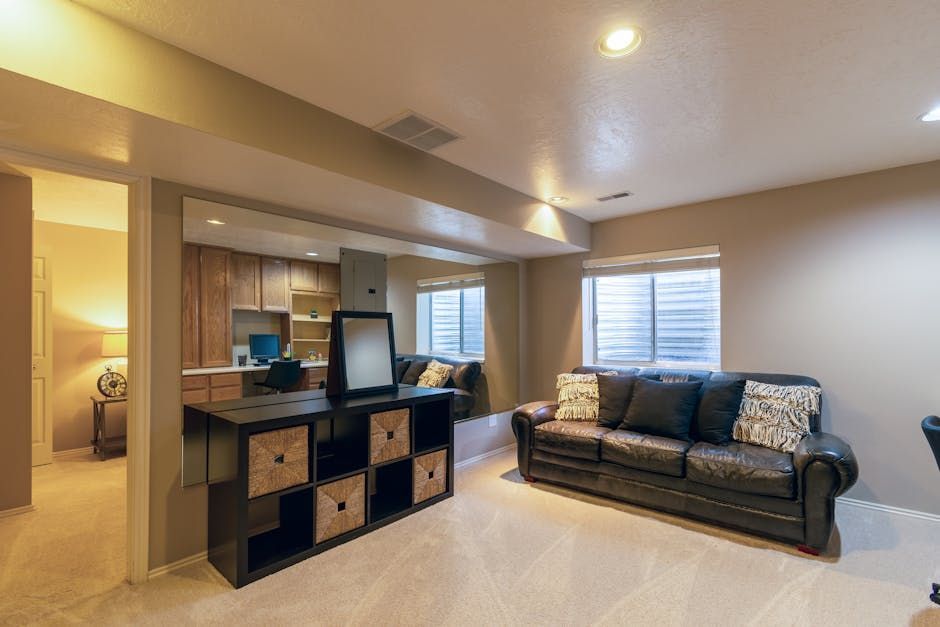
Specific projects that always require permits in Denver include: adding or removing walls (load-bearing or not), installing or modifying electrical circuits, moving or adding plumbing fixtures, HVAC system changes or additions, window or door size changes in exterior walls, basement finishing projects, room additions, deck construction over 30 inches above grade, and any work affecting the building's structure. Even seemingly simple projects like converting a closet into a bathroom or adding a kitchen island with a sink need permits because they involve plumbing work.
Projects that typically don't require permits include: painting, wallpapering, and similar finish work, replacing existing fixtures with like-kind fixtures (same location, same type), installing flooring, minor repairs that don't alter systems, and replacing cabinet fronts or hardware. However, there are nuances. Replacing a water heater with the same type doesn't need a permit, but upgrading to a tankless system does because it involves gas line and venting modifications.

When in doubt, contact Denver's permit office. The consequences of unpermitted work are significant: fines up to several thousand dollars, required demolition of unpermitted work, difficulties selling your home, and potential insurance claim denials. The small investment in permits protects your much larger investment in your home.
2. Understanding Denver's Permit Costs and Fees
Denver's permit fees are based on the project's valuation, which represents the total cost of labor and materials. The city uses a standardized valuation table for common projects, or you can provide contractor quotes for custom calculations. Understanding these costs upfront helps you budget accurately for your entire project.
The basic permit fee structure starts with a base fee plus a percentage of the project valuation. For most residential remodeling projects, expect to pay between $150 and $1,500 in permit fees. A typical bathroom remodel valued at $15,000-$25,000 might generate permit fees of $300-$500. Kitchen remodels in the $30,000-$75,000 range typically see permit fees of $500-$1,000. Basement finishes, depending on scope, usually fall in the $400-$800 range for permits.
Beyond the basic building permit, you may need separate trade permits. Electrical permits run $75-$200 depending on the scope of work. Plumbing permits typically cost $100-$250. Mechanical permits for HVAC work range from $100-$300. Each trade permit requires inspections by licensed inspectors in that specialty. Some projects also require plan review fees, which can add $100-$400 to your total permit costs.
There's good news for Denver homeowners: permit fees are a tiny fraction of project costs (usually 1-3%), and they're a small price for the protection they provide. Permitted work must meet code, which means your contractor can't cut corners on safety. This protection extends to electrical work that won't start fires, plumbing that won't leak, and structural changes that won't compromise your home's integrity.
3. The Denver Permit Application Process Step by Step
Denver has modernized its permit process, offering online applications through the Accela Citizen Access portal. This system allows you to apply for permits, upload documents, schedule inspections, and track your permit status from your computer or phone. Understanding the process helps you plan realistic timelines for your project.
The application process starts with creating an account on Denver's online portal. You'll need to provide basic information about yourself and your property. For simple projects like water heater replacements or basic electrical work, you may qualify for over-the-counter permits that can be issued same-day. More complex projects require plan review, which adds time to the process.
For projects requiring plan review, you'll submit detailed drawings showing the proposed work. These drawings should include floor plans with dimensions, electrical layouts, plumbing diagrams, and structural details for any wall modifications. Denver requires plans to be prepared or approved by licensed professionals for certain work. A licensed architect or engineer must stamp plans for structural changes, and electrical plans may require sign-off from a licensed electrician.
Plan review timelines vary based on project complexity and the city's current workload. Simple projects might clear review in one to two weeks, while complex renovations could take four to six weeks. Denver offers expedited review services for additional fees if your timeline is tight. Once plans are approved, you'll receive your permit and can begin construction.
4. Required Inspections During Your Remodel
Permits come with inspection requirements, and understanding these helps you coordinate with your contractor for smooth project progress. Denver requires inspections at specific stages of construction, and work cannot proceed until inspections pass. Building these inspection points into your project timeline prevents delays.
Typical inspection stages for a major remodel include: rough-in inspections for framing, electrical, plumbing, and mechanical work before walls are closed; insulation inspection; and final inspections for each trade. A basement finish might require four to six inspections, while a kitchen remodel could need six to ten depending on the scope. Each inspection must pass before proceeding to the next phase.
Scheduling inspections in Denver is straightforward through the online portal or by phone. Inspectors typically need 24-48 hours notice, and they'll provide a time window for their visit. Someone must be present to provide access and answer questions. If an inspection fails, you'll receive a correction notice explaining what needs to be fixed before re-inspection.
The final inspection is crucial. It confirms all work meets code and authorizes occupancy of the improved space. Never close walls, install flooring, or complete finish work before required inspections. Doing so could require you to open up finished work for inspection, adding significant cost and delay to your project.
5. Common Code Requirements for Denver Remodels
Denver follows the International Building Code with local amendments, and understanding key requirements helps you plan projects that will pass inspection the first time. While your contractor should know these codes thoroughly, educated homeowners make better decisions and catch potential issues early.
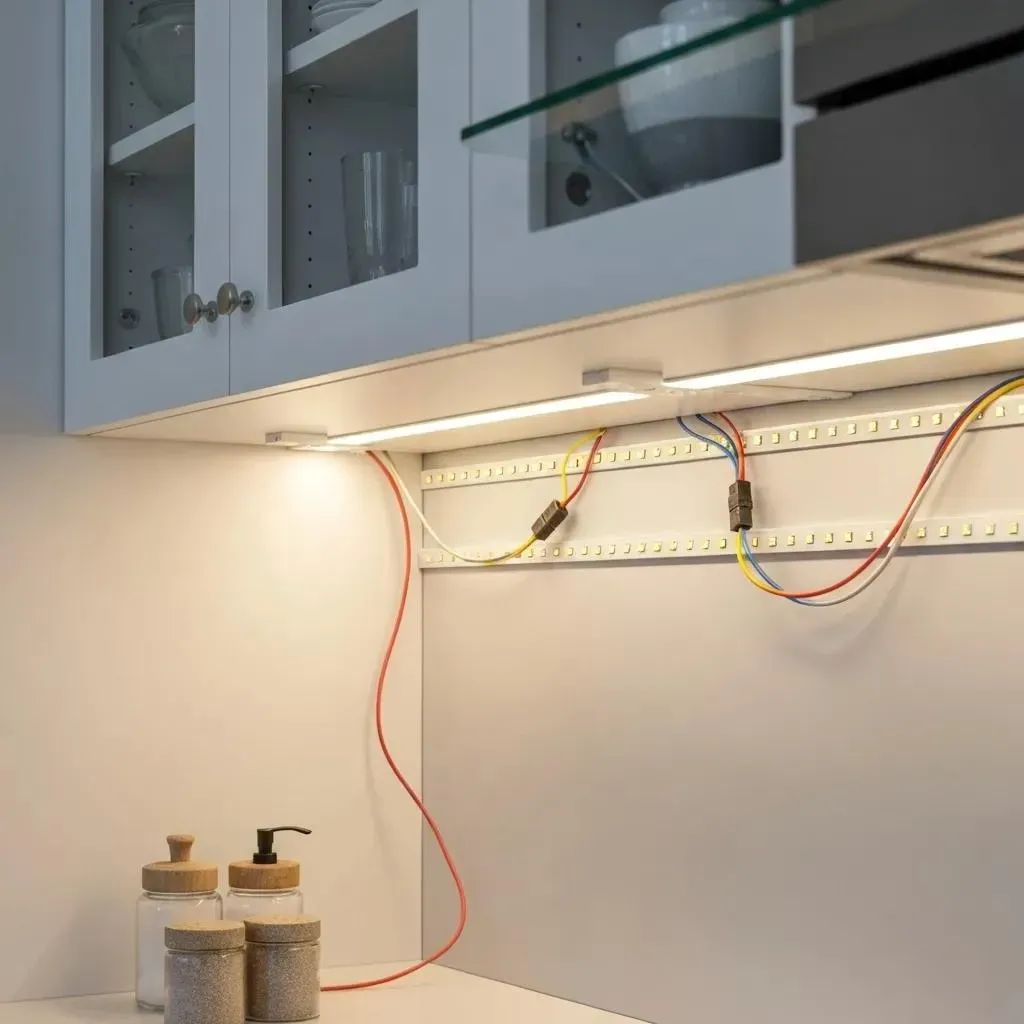
Electrical codes have evolved significantly, and older homes often need upgrades during remodels. Modern kitchens require dedicated 20-amp circuits for countertop outlets, with GFCI protection within six feet of sinks. Bathrooms need GFCI outlets and dedicated circuits for high-draw appliances. Arc-fault circuit interrupters (AFCIs) are required in bedrooms and living areas. These requirements prevent fires and electrocution, making them worth the investment.
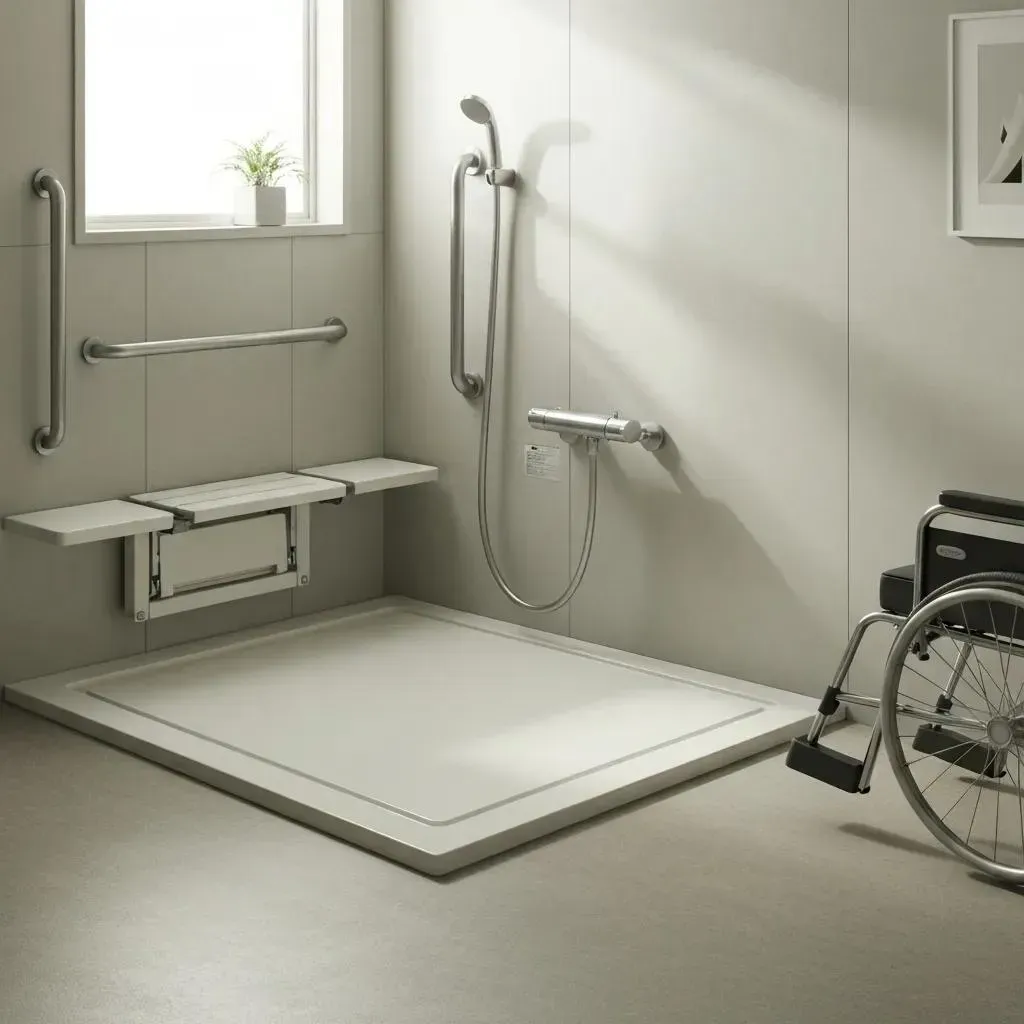
Plumbing codes ensure proper drainage, venting, and water supply. Denver requires specific pipe sizes, vent configurations, and fixture spacing. Water heaters need expansion tanks and proper venting. Bathroom remodels must maintain minimum clearances around fixtures: 21 inches in front of toilets, 15 inches from toilet centerline to walls or fixtures, and 24 inches of clear space in front of showers.
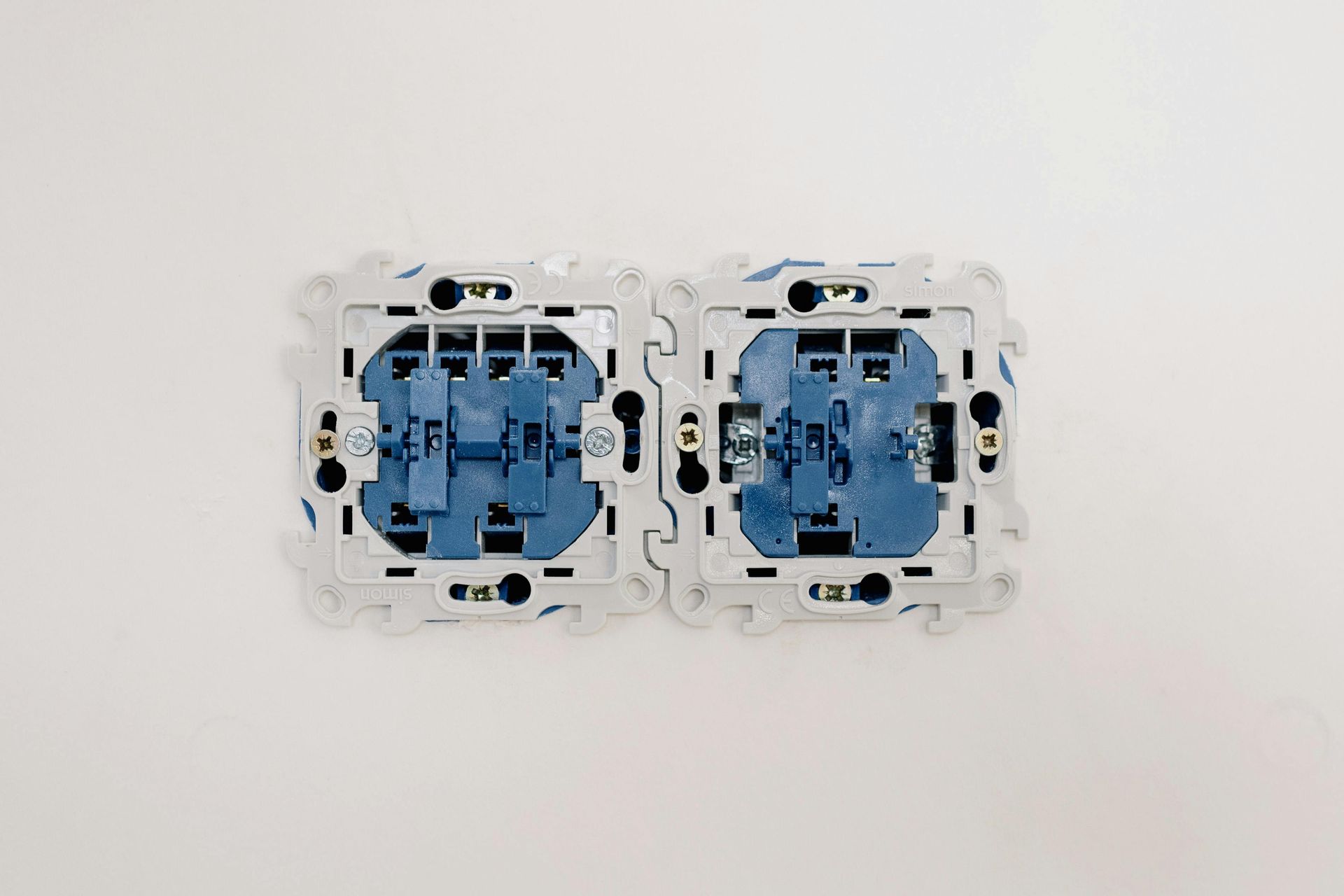
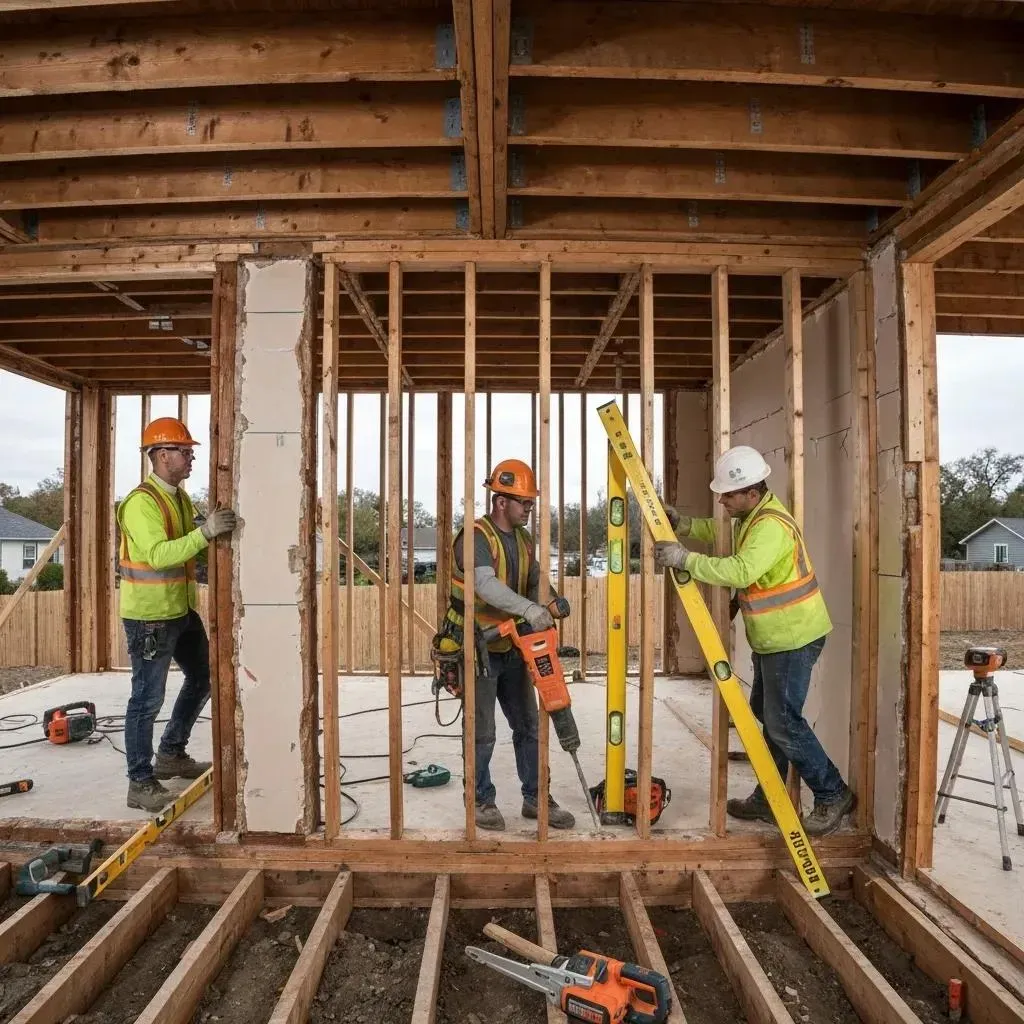
Structural requirements protect your home's integrity. Load-bearing wall modifications require engineered solutions, often including headers and posts to transfer loads. Basement finishing must address moisture, egress, and ceiling heights. Denver requires minimum 7-foot ceiling heights in habitable spaces, with specific requirements for areas under beams and ductwork.
6. Working with Contractors on Permitted Projects
Licensed contractors should handle permit acquisition as part of their service, but homeowners benefit from understanding the process. Your contractor's license and insurance status directly affects permit applications, and ensuring they pull permits properly protects you from liability.
When contractors pull permits, their license information attaches to the project. This means they're responsible for code compliance and must be present for or represented at inspections. Verify your contractor has a current Colorado contractor's license and confirm they'll obtain all necessary permits. Get this commitment in writing as part of your contract.
Some contractors suggest skipping permits to save money or time. This red flag should end your consideration of that contractor. Unpermitted work exposes you to significant risks: insurance companies can deny claims on unpermitted work, buyers may require permits and corrections before purchasing, and you could face fines if discovered. Reputable contractors insist on permits because they protect everyone.
Homeowner-pulled permits are an option for do-it-yourself projects, but they come with responsibility. You become the "contractor of record" and are responsible for code compliance. You must be present for inspections and correct any failures. For complex projects, the expertise of licensed professionals usually justifies their cost.
7. Avoiding Common Permit Pitfalls in Denver
Experience shows certain issues repeatedly cause problems for Denver homeowners. Learning from others' mistakes helps you navigate the permit process smoothly and avoid costly corrections or delays.
Starting work before permit approval is the most common and costly mistake. Inspectors can stop work immediately and require you to open finished areas for inspection. In severe cases, you may need to remove unpermitted work entirely. The excitement of starting a project doesn't justify the risk of working without permits in hand.
Incomplete applications delay approval. Submit all required documents with your initial application: complete drawings, contractor information, property survey if required, and any engineering documents. Missing items create back-and-forth that extends your timeline. Double-check requirements before submitting and consider having your contractor review applications.
Scope creep causes permit problems when projects expand beyond approved plans. Adding a bathroom to a basement finish, moving walls beyond original plans, or upgrading electrical scope all require permit modifications. Making these changes without updated permits puts your entire project at risk. Document changes with your contractor and update permits accordingly.
Communication gaps between contractors, homeowners, and inspectors create confusion. Establish clear responsibility for scheduling inspections and attending them. Keep copies of all permit documents, approved plans, and inspection results. These records prove valuable during the project and when you eventually sell your home.
Ready to Start Your Permitted Remodel?
Understanding Denver's permit requirements transforms them from obstacles into protections. Permits ensure your remodeling investment meets safety codes, maintains your home's value, and won't create problems when you sell. The process takes time and costs money, but both are minimal compared to the consequences of unpermitted work.
At Accountable Home Remodeling, we handle permit acquisition and inspections as part of every project. Our team knows Denver's codes intimately, prepares complete permit applications, and maintains relationships with city inspectors that keep projects moving. We believe permitted work is the only acceptable work, and we build that commitment into every project we undertake.
Planning a remodel in the Denver metro area? Contact Accountable Home Remodeling at (720) 620-3272 for a consultation. We'll walk you through permit requirements for your specific project and show you how proper permits protect your investment. Your home deserves the protection that comes with doing things right.