Design-Build vs. Architect + GC | Denver Remodel Guide
Design-Build vs. Architect + GC: Which Path Fits Your Denver Remodeling Project?

Did you know that nearly 60% of Denver homeowners report cost overruns when managing design and construction separately? In this guide, you’ll explore the core principles of the design-build model versus the architect + general contractor (GC) approach, compare cost structures, timeline efficiency, communication methods, and local regulations. You’ll discover when each delivery method shines, which questions to ask remodeling contractors, and why Accountable Home Remodeling’s design-build services often yield predictable budgets, faster completion, and a single point of accountability.
What Is the Design-Build Model and How Does It Work?
The design-build model combines architectural design and construction under one roof, aligning design decisions with build realities to enhance budget predictability and streamline scheduling. By contracting a unified team from concept through completion, homeowners benefit from shared accountability and faster problem resolution, setting the stage for reduced stress and clearer communication.
What Are the Key Features of Design-Build Remodeling?
- A single contract covering both design and build phases ensures unified scope management.
- Early cost estimates developed by one team promote transparent budgeting.
- Collaborative workflows align architects, builders, and subcontractors from day one.
- Centralized project management simplifies change-order processes and decision paths.
These features establish a unified framework that accelerates project delivery and minimizes conflicts, guiding us toward the benefits of this approach.
What Are the Benefits of Choosing Design-Build for Your Home Renovation?
Design-build accelerates schedules and controls costs by aligning design choices with construction logistics, offering homeowners clear advantages:
- Streamlined Communication – One team and one point of contact prevent mixed messages.
- Cost Control – Early budgeting and integrated cost tracking reduce surprises.
- Faster Completion – Overlapping design and build phases shave weeks off timelines.
- Reduced Stress – Consolidated accountability simplifies decision-making.
These benefits deliver a smoother renovation experience and lead naturally into ideal scenarios for design-build projects.
When Is Design-Build the Best Choice for Your Project?
- Historic home renovations needing specialized build sequences.
- Budget-sensitive projects that demand early cost certainty.
- Time-crunched remodels where design and construction overlap yields faster turnarounds.
By understanding these scenarios, homeowners can choose design-build when a consolidated process offers the greatest value.
How Does the Architect + General Contractor Model Operate?
The architect + GC approach separates design and construction into distinct contracts and teams, giving homeowners independent design oversight but requiring coordination between architects, bidding processes, and contractors. This sequential method can offer creative design control but often extends timelines and introduces multiple points of responsibility.
What Are the Main Characteristics of the Architect + GC Approach?
- Separate agreements for architectural services and construction work.
- Distinct roles: the architect develops plans, the GC manages build execution.
- Sequential phases: design completion precedes contractor bidding.
- Competitive bidding sessions foster cost competition among contractors.
These traits highlight both the precision of independent design and the coordination demands that follow.
What Are the Advantages and Disadvantages of Architect-Led Remodeling?
| Aspect | Advantage | Disadvantage |
|---|---|---|
| Design Control | Independent design decisions tailored to vision | Architect may lack construction cost context |
| Competitive Bidding | Potential for lower bids through contractor rivalry | Time-intensive bid evaluation and contractor selection |
| Quality Oversight | Architect reviews build for design fidelity | Homeowner must manage communication between teams |
| Timeline Structure | Clear design phase before build | Sequential process often prolongs project duration |
This comparison shows why some homeowners accept added complexity to gain specialized design oversight.
When Should You Consider the Architect + GC Model?
- You require a one-of-a-kind architectural vision with extensive custom detailing.
- You have an established architect-client relationship you wish to maintain.
- You want to control contractor selection through competitive bidding.
Recognizing these factors helps align project goals with the traditional delivery method.
How Do Design-Build and Architect + GC Compare on Cost and Budget?
Both models incur design fees, construction costs, and contingencies, but their cost structures and risk profiles differ significantly, influencing overall budget predictability and change-order frequency.
What Are the Typical Cost Structures for Each Model?
| Cost Element | Design-Build | Architect + GC |
|---|---|---|
| Design Fee | Included in single contract | Paid separately to the architect |
| Construction Budget | Lump-sum with built-in contingencies | Contractor bids based on finished drawings |
| Change Orders | Managed internally, fewer surprises | Priced and approved after design |
| Contingency Reserve | Defined early in the process | Allocated later, often higher |
Is Design-Build More Cost-Effective Than Architect + GC?
Design-build can improve cost-effectiveness by integrating cost estimation early and minimizing change orders:
- Early budgeting eliminates mid-project bill shocks.
- Value engineering during design reduces unnecessary scope.
- Single-team accountability discourages costly design revisions.
Design-Build vs. Architect + GC: Cost Comparison
Design-build firms often offer construction cost advantages. Homeowners generally save money compared to hiring both architects and contractors separately. Design-build firms often offer construction costs advantages of up to 20 percent according to some estimates.
This source highlights the potential cost savings associated with the design-build model compared to the traditional architect + GC approach.
How Do Local Denver Factors Affect Remodeling Costs?
- Permit fees dictated by local building codes and zoning districts.
- Material and labor rates influenced by regional supply and demand.
- Seasonal demand spikes that can raise contractor fees during peak months.
Accounting for these factors in early cost estimates helps prevent budget overruns and aligns expectations with local realities.
What Are the Differences in Project Timeline and Efficiency?
Project delivery methods directly affect schedule overlap, hand-off delays, and overall turnaround, making timeline management a key decision factor.
How Does Design-Build Streamline Project Timelines?

- Overlapping design and construction phases under one team.
- Immediate feedback loops between designers and builders.
- Simplified approvals managed by a single contractor group.
These efficiencies can reduce total project time by 20–30%, delivering finished spaces sooner and smoothing transitions between phases.
Design-Build vs. Architect + GC: Timeline Efficiency
Design-build projects often see faster delivery times due to concurrent design and construction phases, reducing overall project duration and accelerating occupancy or utilization.
This source supports the claim that design-build can lead to faster project completion times.
Why Might Architect + GC Projects Take Longer?
- Construction bidding only starts after full design documentation.
- Homeowners coordinate between architect reviews and contractor selection.
- Design revisions trigger formal bid adjustments, delaying start dates.
Longer timelines often accompany this approach, trading speed for bespoke architectural detail.
How Does Communication and Project Management Differ Between Models?
Ownership of communication channels and project oversight varies dramatically between a unified design-build team and separate architect and contractor entities.
What Is the Role of a Single Point of Contact in Design-Build?
- Homeowners receive consistent updates and clear decision pathways.
- Issue resolution occurs swiftly within the integrated team.
- Accountability for schedule, budget, and quality resides with one entity.
This single-contact structure enhances clarity and reduces information gaps throughout the renovation.
How Do Homeowners Manage Multiple Contractors in Architect + GC?
- Relay feedback between architects and contractors to align design and build.
- Monitor separate schedules and approval milestones.
- Coordinate inspections, permit filings, and change-order authorizations across two contracts.
This layered communication demands more homeowner involvement and careful tracking of deliverables.
What Should Denver Homeowners Consider When Choosing a Remodeling Partner?
Selecting the right partner involves evaluating budgets, schedules, communication style, complexity, and local expertise to match project goals.
What Questions Should You Ask a Remodeling Contractor?
- What experience do you have with projects of similar scope and scale?
- Can you outline your design-build or bidding process step by step?
- May I review recent references and completed project portfolios?
Focused questions reveal a contractor’s capabilities and fit for your Denver remodel.
How Do Remodeling Contracts Differ Between Models?
Contract structures vary by delivery method:
- Design-Build Agreement: Single contract covering design, permits, construction, and warranty.
- Architect + GC Contracts: Separate architectural agreement plus a construction contract, each with distinct scopes, fees, and change-order processes.
Understanding these differences helps homeowners anticipate obligations and protect their interests.
What Are the Key Denver Remodeling Permits and Regulations to Know?
Denver remodels often require:
- Building permits for structural, electrical, and plumbing changes.
- Zoning clearances when altering external footprints or adding square footage.
- Historic district approvals for designated properties.
Denver Remodeling Permits
In Denver, permits are typically necessary for remodeling activities involving electrical work, plumbing modifications, and structural changes.
This source provides information on the types of projects that require permits in Denver.
Early permit coordination prevents delays and keeps your project on track.
Why Does Accountable Home Remodeling Recommend Design-Build for Denver Projects?
Accountable Home Remodeling champions design-build because unified design and construction teams deliver better results, clearer communication, and streamlined processes for Denver homeowners.
- Our integrated team blends architectural vision with construction expertise.
- Proven process minimizes stress, risk, and hidden costs.
- Local market knowledge ensures permits, materials, and scheduling align with Denver-specific requirements.
These strengths create a remodeling experience that consistently meets homeowner expectations.
What Is Accountable Home Remodeling’s Design-Build Process?
Our six-step design-build methodology guides every project:
- Initial Consultation – Define goals, budget, and scope.
- Conceptual Design – Develop preliminary plans and cost estimates.
- Detailed Planning – Finalize drawings, materials, and schedules.
- Permitting – Secure local approvals and inspections.
- Construction – Execute build with transparent progress updates.
- Final Walkthrough – Inspect completed work and address any punch-list items.
What Success Stories Demonstrate Our Design-Build Advantage?
Two illustrative projects highlight our expertise:
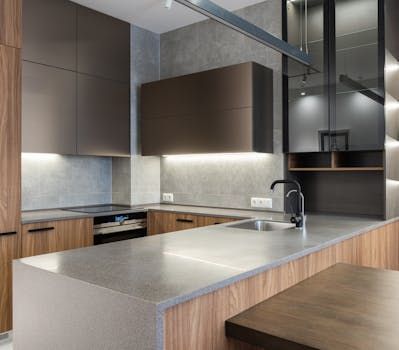
- Kitchen Transformation – A 1920s bungalow kitchen remodel delivered on time and 5% under budget through early cost modeling and value engineering.
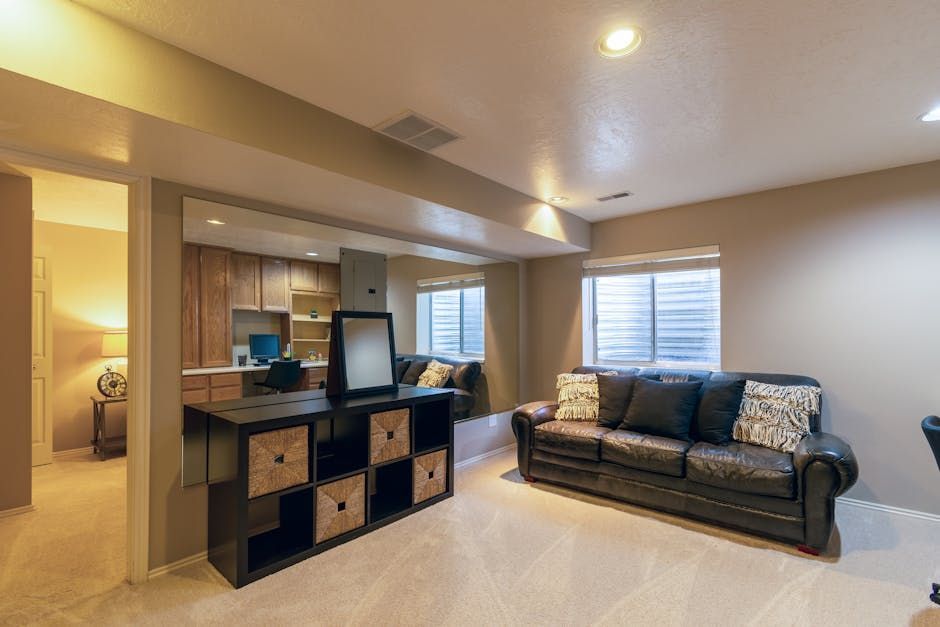
- Basement Conversion – A complex structural undercut and finish project completed in eight weeks by overlapping design approvals with preliminary construction setup.
These examples showcase how design-build drives efficiency and homeowner satisfaction.
What Do Clients Say About Their Design-Build Experience?
- Seamless communication and single-point management.
- Precise budget adherence and transparent financial tracking.
- Rapid issue resolution and proactive scheduling adjustments.
These testimonials reflect the trust and reliability homeowners experience with Accountable Home Remodeling’s design-build team.
How Can You Get Started with Your Denver Remodeling Project?
Scheduling a design-build consultation connects you with our integrated team, who will assess your vision, budget, and timeline to create a clear roadmap for your Denver remodel.
How Do You Schedule a Design-Build Consultation?
- Contact our office to share basic project details and preferred meeting times.
- Complete a brief questionnaire to clarify your renovation goals and priorities.
What Should You Expect During Your Initial Remodeling Meeting?
- Tour the project area to discuss desired changes and potential challenges.
- Review preliminary budget ranges and high-level schedules.
- Define project objectives, aesthetic preferences, and functional requirements.
This collaborative session lays the foundation for a successful design-build partnership.
Understanding the differences between design-build and architect + GC delivery methods empowers Denver homeowners to select the right approach for their remodeling goals.
By choosing design-build with Accountable Home Remodeling, you gain predictable budgets, streamlined workflows, and a dedicated team guiding every detail.
When you’re ready to transform your home with professional remodeling services, schedule a consultation to begin realizing your vision today.