Energy-Efficient Home Remodeling in Denver: Save Money and the Planet
Denver homeowners are discovering that energy-efficient home remodeling delivers something rare in home improvement: upgrades that actually pay you back. With our 300 days of sunshine, dramatic temperature swings from freezing winters to scorching summers, and utility costs climbing every year, making smart energy choices during your remodel is not just environmentally responsible but financially brilliant. The right combination of insulation, windows, HVAC systems, and sustainable materials can reduce your energy bills by 30 to 50 percent while dramatically increasing your home's comfort and resale value.
1. Why Denver's Climate Demands Energy-Smart Remodeling
Our mile-high location creates unique challenges that most national remodeling advice simply does not address. The intense UV radiation at altitude degrades materials faster than at sea level, meaning cheap windows and siding fail prematurely. Temperature swings of 40 degrees in a single day are common during spring and fall, stressing your home's envelope in ways coastal climates never experience. Add bone-dry winters with humidity levels that would make a desert envious, and you have a recipe for energy loss that generic insulation guidelines woefully underestimate.
The good news is that Denver's climate also presents extraordinary opportunities for energy savings. Our abundant sunshine makes solar integration highly effective, with payback periods often under seven years. The dry air means moisture management is simpler than humid climates, allowing for tighter building envelopes without mold concerns. When you understand how to work with Denver's unique conditions rather than against them, energy-efficient remodeling becomes one of the highest-return investments you can make in your property.
Local utility companies recognize these opportunities and offer substantial rebates for energy upgrades. Xcel Energy's efficiency programs can cover 20 to 30 percent of qualified improvement costs, effectively subsidizing your remodel while reducing strain on the electrical grid. Many homeowners are surprised to learn they can stack multiple incentive programs, combining utility rebates with federal tax credits and state efficiency programs to dramatically reduce out-of-pocket costs.

Have you noticed your heating bills creeping higher each winter despite setting your thermostat lower? That is often the first sign that your home's thermal envelope has deteriorated beyond the point where band-aid solutions help. A comprehensive energy audit can pinpoint exactly where your dollars are literally floating out the windows, up through the attic, or seeping through foundation cracks that have widened over decades of Colorado's freeze-thaw cycles.
2. High-Performance Windows: Your First Line of Defense
Windows are responsible for 25 to 30 percent of residential heating and cooling energy use according to the Department of Energy, making them arguably the most impactful energy upgrade you can make during a remodel. In Denver's climate, the wrong windows are not just inefficient but actively work against your comfort, letting brutal winter cold radiate through the glass and turning your home into a greenhouse during summer afternoons. The right windows, conversely, can transform how your home feels and performs year-round.
Look for windows with a U-factor of 0.25 or lower for optimal cold-weather performance. This measurement indicates how well the window prevents heat from escaping, with lower numbers meaning better insulation. For Denver's sunny exposure, also pay attention to the Solar Heat Gain Coefficient, or SHGC. A value around 0.30 to 0.40 strikes the right balance, letting beneficial winter sun warm your home while blocking excessive summer heat. Triple-pane windows with argon or krypton gas fill and low-emissivity coatings deliver the best performance, though quality double-pane options can work well for budget-conscious projects.
Frame material matters more than many homeowners realize. Vinyl frames offer excellent thermal performance and low maintenance but can warp under intense UV exposure common at altitude. Fiberglass frames combine durability with superior insulation values and handle temperature extremes gracefully. Wood frames provide beautiful aesthetics and good insulation but require ongoing maintenance to prevent deterioration. Aluminum frames should generally be avoided for thermal efficiency, though thermally broken aluminum can work in certain applications.
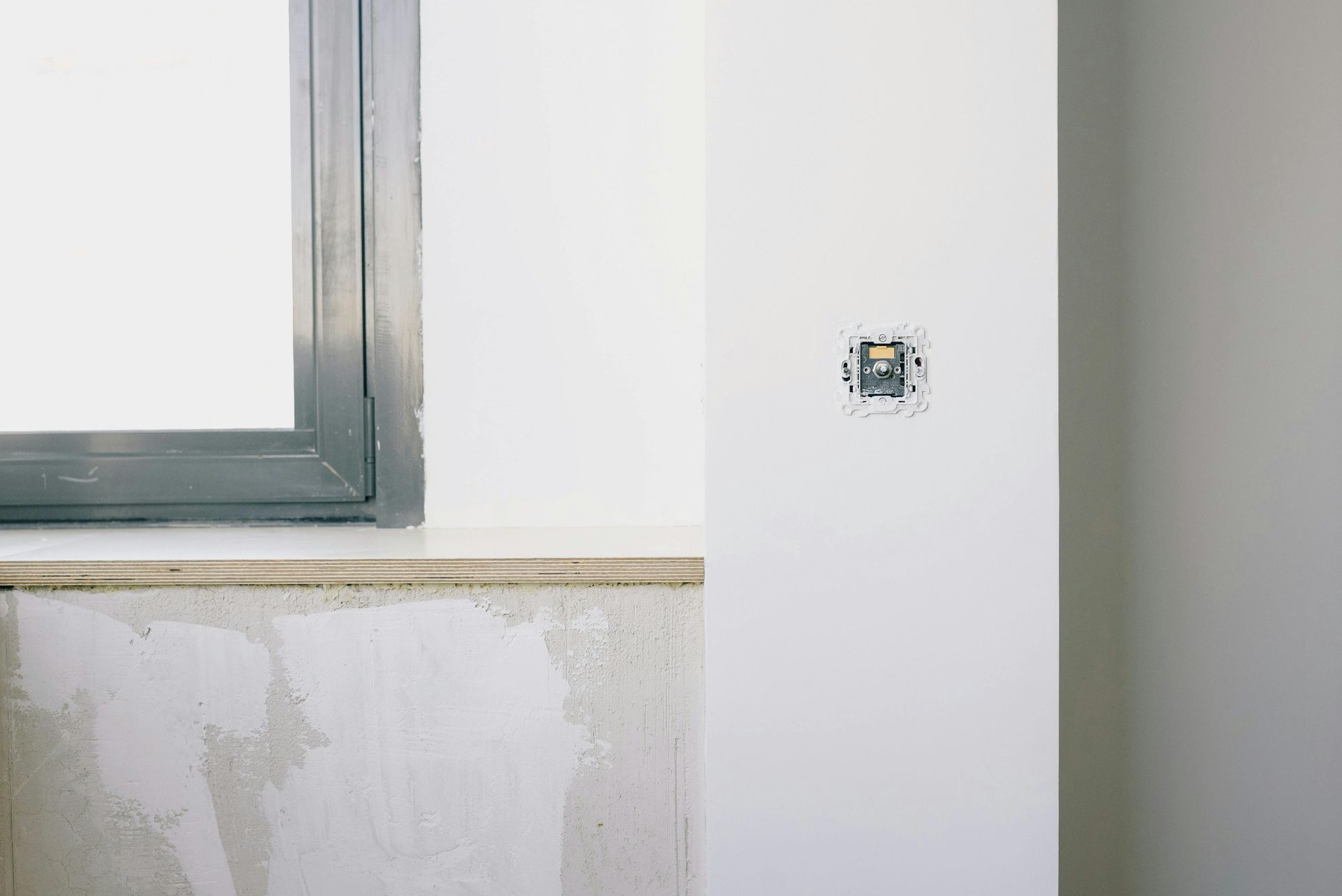
Proper installation is equally important as window quality. Even the best windows perform poorly when installed incorrectly, with gaps and thermal bridges negating the engineering that went into them. Insist on continuous insulation around the rough opening, high-quality flashing to prevent water intrusion, and air sealing at every junction. A window installed with minimal expanding foam and no attention to thermal bridging will underperform a lesser window installed with meticulous attention to these details.
3. Insulation Upgrades That Transform Comfort
Your home's insulation is its thermal battery, storing the heating and cooling energy you pay for and slowly releasing it to maintain comfortable temperatures. Unfortunately, most Denver homes built before 2000 have insulation that falls far short of current energy codes, with attics often holding just R-19 when R-49 to R-60 is now recommended. Walls fare even worse, with many homes having little to no insulation in exterior cavities that could accept R-15 or higher. Addressing these deficiencies during a remodel delivers comfort improvements that genuinely change how you live in your home.
Attic insulation upgrades offer the highest bang for your buck because heat rises, making your ceiling the primary escape route for expensive conditioned air. Blown-in cellulose or fiberglass can bring older attics up to modern R-49 standards quickly and affordably, often qualifying for utility rebates that cover a significant portion of the cost. Ensure proper air sealing before adding insulation, as sealing penetrations around electrical boxes, plumbing stacks, and ductwork is essential for the insulation to perform as expected.
Wall insulation during a remodel presents both challenges and opportunities. If you are opening walls anyway for electrical updates, plumbing changes, or floor plan modifications, adding dense-pack cellulose or spray foam is straightforward and highly cost-effective. For walls remaining closed, injection foam through small holes can fill cavities without major demolition, though results vary depending on existing conditions. The basement rim joist area where walls meet the foundation is frequently overlooked yet offers dramatic improvements, as this junction is often completely uninsulated in older homes.

Foundation and basement insulation deserves special attention in Denver where ground temperatures remain relatively stable year-round. Uninsulated basement walls and floors conduct cold into your living space throughout winter and can cause uncomfortable temperature differences between floors. Rigid foam insulation on basement walls, combined with proper vapor management, transforms basements from cold storage into comfortable living space while reducing whole-house energy consumption significantly.
4. HVAC Systems Sized for Efficiency
Heating and cooling account for roughly half of a typical Denver home's energy consumption, making HVAC selection one of the most consequential decisions in an energy-efficient remodel. The temptation is to simply replace old equipment with new versions of the same thing, but this approach often leaves significant efficiency gains on the table. Modern high-efficiency systems combined with proper sizing and ductwork optimization can reduce HVAC energy use by 40 percent or more compared to aging equipment.
Heat pumps have emerged as the efficiency leader for Denver's climate, despite lingering misconceptions about their cold-weather performance. Modern cold-climate heat pumps maintain full heating capacity down to 5 degrees Fahrenheit and continue operating efficiently below zero. They provide both heating and cooling from a single system, eliminating the need for separate air conditioning while delivering efficiency ratings two to three times better than traditional furnaces. The environmental benefits are substantial as well, as heat pumps powered by increasingly renewable electricity emit far less carbon than natural gas combustion.
Proper system sizing matters more than most homeowners realize. Oversized equipment cycles on and off frequently, wasting energy, creating uncomfortable temperature swings, and wearing out prematurely. Undersized systems run constantly without maintaining comfort on extreme days. A Manual J load calculation performed after your insulation and window upgrades ensures equipment sized precisely for your improved envelope, often allowing smaller and less expensive equipment than would have been necessary before efficiency improvements.
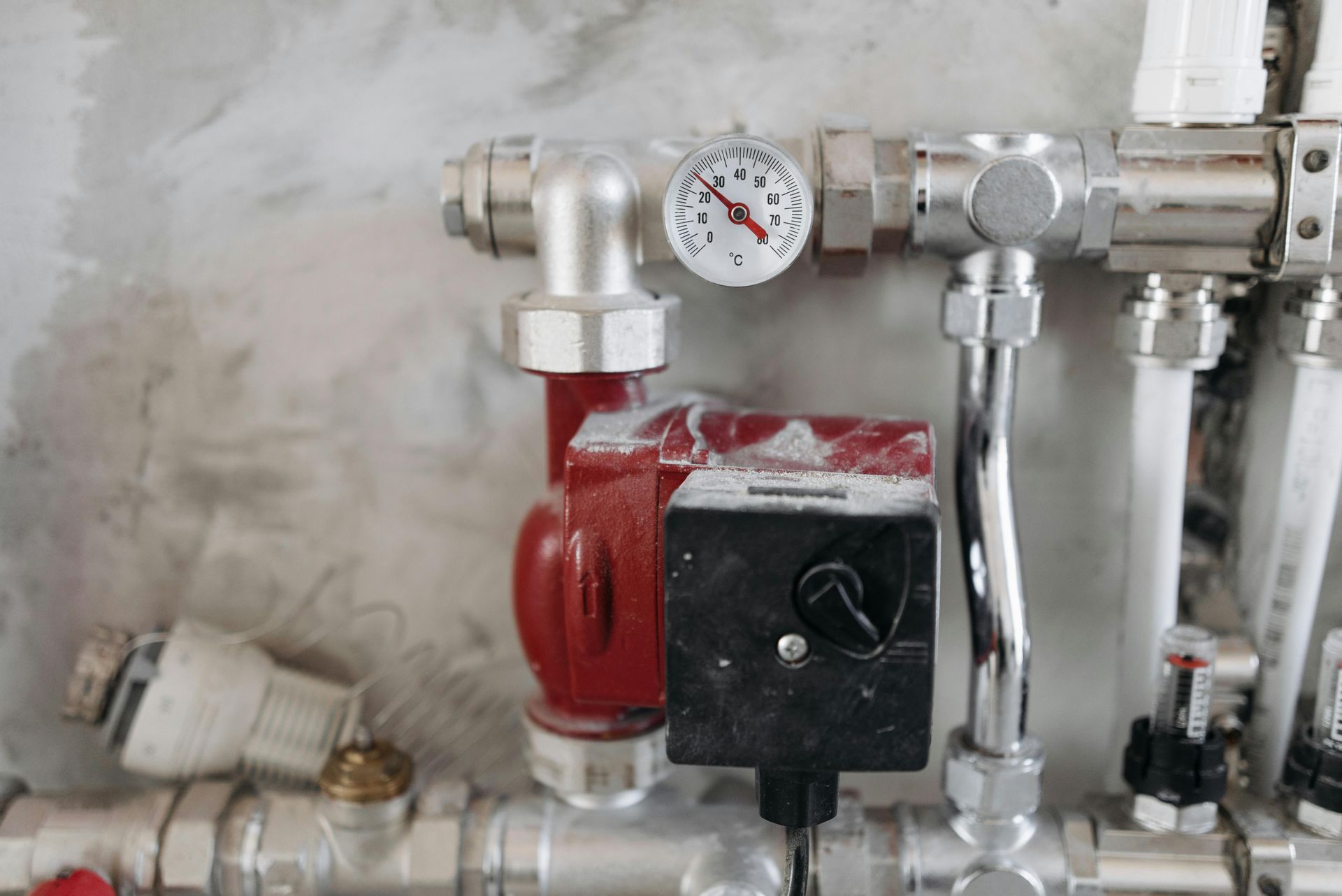
Ductwork optimization is the forgotten stepchild of HVAC efficiency, yet leaky and poorly insulated ducts can waste 20 to 30 percent of heating and cooling energy. Sealing duct connections with mastic rather than tape, insulating runs through unconditioned spaces, and ensuring proper airflow through correct sizing eliminates this waste. If ducts are beyond repair, consider a high-velocity mini-duct system or ductless mini-splits that deliver conditioned air directly where needed without distribution losses.
5. Green Building Materials for Sustainable Remodeling
Energy efficiency extends beyond operational savings to encompass the embodied energy and environmental impact of the materials themselves. Thoughtful material selection reduces your remodel's carbon footprint while often improving indoor air quality and long-term durability. The sustainable choice and the practical choice increasingly overlap, as manufacturers recognize growing demand for products that perform well both environmentally and functionally.
Reclaimed and recycled materials offer character impossible to replicate with new products while diverting waste from landfills. Reclaimed hardwood flooring brings decades of patina and often superior density from old-growth timber no longer available. Recycled glass countertops provide stunning visual interest with a fraction of the embodied energy of quarried stone. Salvaged architectural elements like doors, hardware, and fixtures add authenticity to renovations while preserving craftmanship that modern production rarely matches.
Low-VOC and zero-VOC paints, adhesives, and finishes protect indoor air quality without sacrificing performance. Volatile organic compounds off-gas from conventional products for months or years after installation, contributing to respiratory issues and that lingering new-construction smell. Modern low-emission alternatives perform comparably to traditional products while creating healthier living environments immediately after completion. This matters particularly in Denver's dry climate where we spend so much time indoors during winter months.

Bamboo, cork, and other rapidly renewable materials offer durability and beauty for flooring and surfaces while regenerating far faster than traditional hardwoods. Bamboo reaches harvest maturity in three to five years compared to decades for oak or maple, making it genuinely sustainable at scale. Cork provides natural sound dampening and cushion underfoot while being harvested from living trees without harming them. These materials have matured from eco-curiosities to mainstream options with proven long-term performance records.
Conclusion: Building a Comfortable Future
Energy-efficient home remodeling in Denver represents that rare intersection where doing good for the environment aligns perfectly with doing well for your wallet and comfort. The investments you make today in high-performance windows, comprehensive insulation, efficient HVAC systems, and sustainable materials will pay dividends for decades through lower utility bills, increased home value, and living spaces that simply feel better throughout our dramatic seasonal swings. Start with a professional energy audit to understand where your home loses energy most severely, then prioritize improvements that address your specific situation and budget.
At Accountable Home Remodeling, we specialize in helping Denver homeowners navigate energy-efficient upgrade decisions that make practical and financial sense. Our team understands local climate challenges, utility incentive programs, and the building science that makes efficiency improvements actually work. Contact us today to discuss how we can transform your home into the comfortable, efficient, and sustainable space your family deserves while maximizing the return on your remodeling investment.